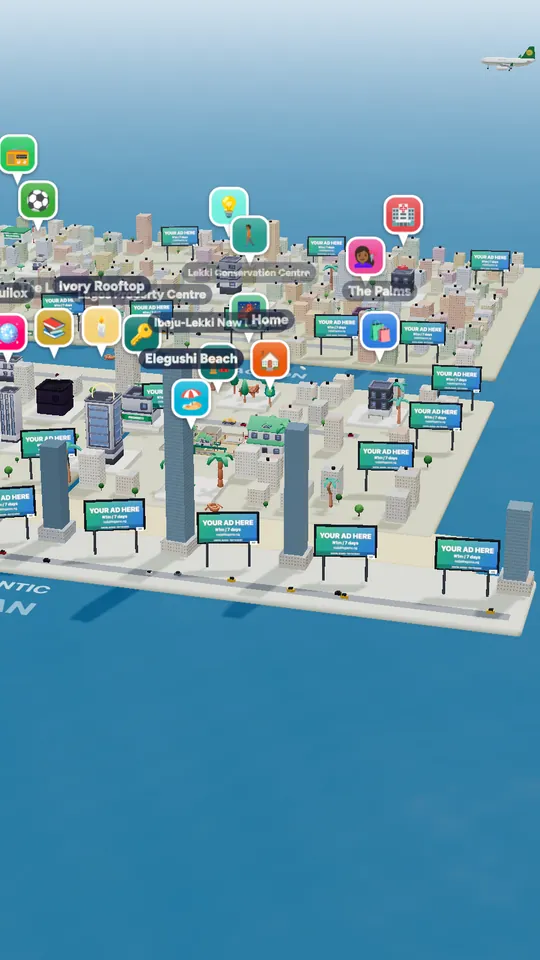
Lagos is Nigeria's biggest city and its money capital. Most estimates put the population somewhere between 15 and 20 million people, squeezed into the smallest state in the country by land area. It was the national capital until 1991, when the government moved to Abuja, but it never stopped being the place where Nigerians come to make it. Lagos life is loud, fast, expensive and generous all at once. This guide covers what daily life in Lagos is really like, area by area and problem by problem.
Lagos life in one paragraph
The city is split by water. The Island (Lagos Island, Ikoyi, Victoria Island and Lekki) holds the banks, embassies, beaches and the most expensive homes. The Mainland (Yaba, Surulere, Ikeja, Gbagada, Mushin, Ikorodu and many more) is where most Lagosians actually live. Bridges such as the Third Mainland Bridge, Carter Bridge and Eko Bridge join the two, and the traffic on them shapes almost everyone's day. Our Island vs Mainland neighbourhood guide goes area by area.
The hustle: work and money
Everybody in Lagos has a hustle, and many people have two. The formal jobs are in banking and finance on Victoria Island and the Marina, oil and gas, telecoms and the tech scene around Yaba, often nicknamed "Yabacon Valley". The informal economy is even bigger: traders at Balogun and Computer Village, tailors, hairstylists, okada riders, food sellers and the people who buy in bulk at Mile 12 and resell by the roadside. Music, Nollywood and content creation are serious careers here, not side projects.
Salaries vary enormously, and prices rise faster than most pay. That is why side hustles, savings groups (ajo or esusu) and "sending something small" to family are part of everyday life.
Housing and rent
Renting is how most people live, and the system surprises newcomers: landlords usually ask for a year's rent upfront, sometimes more, plus agency and legal fees and a caution deposit. The cheapest option is the face-me-I-face-you, a row of single rooms facing each other across a shared corridor, with a shared kitchen and bathroom. Next is the self-contain (one room with its own bathroom), then the mini-flat (a room and a parlour), then flats and duplexes. Where you live decides your commute, your rent and your neighbours, so most people choose an area by where they work.
Getting around: traffic is the boss
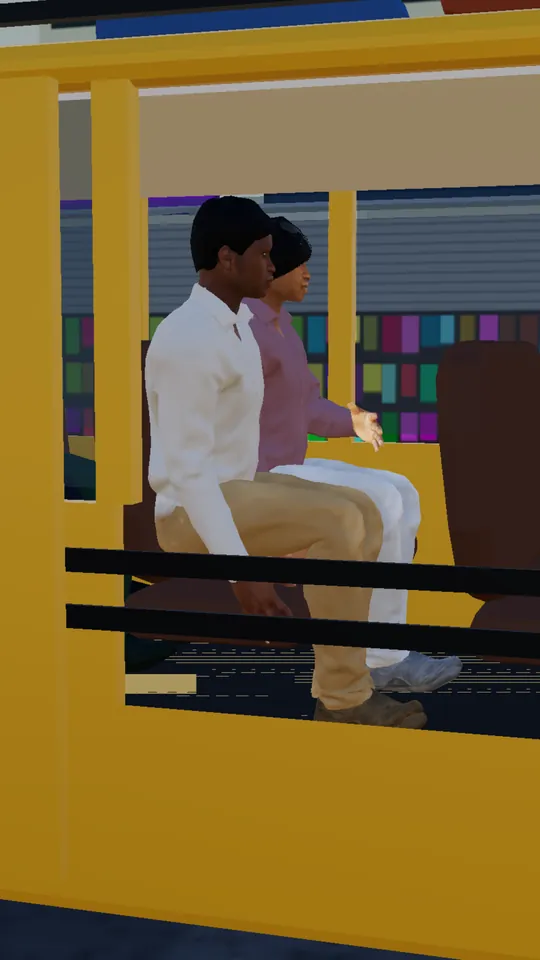
"Go-slow" (traffic jam) is the first thing anyone mentions about life in Lagos. A trip that takes 20 minutes at 5am can take two hours at 7:30am. People leave home before dawn to beat it, and plan meetings around it. The main ways to move:
- Danfo: the yellow minibuses, with a conductor shouting the route at every bus stop. Cheap and everywhere.
- BRT: big buses on dedicated lanes along the main corridors, paid with a Cowry card.
- Rail: the Blue Line (Marina to Mile 2) and the Red Line (Agbado to Oyingbo) are newer, and quick where they run.
- Keke: tricycles for short trips inside an area.
- Okada: motorcycle taxis, the fastest way through traffic, but banned on major roads and in several local government areas.
- Ferries: across the lagoon between places such as Ikorodu, Lagos Island and Victoria Island.
- Ride-hailing apps and private cars, for those who can afford the fuel and the go-slow.
NEPA and the light
Power supply from the grid is unreliable in much of Lagos, so the sound of generators is part of the city. Shouting "Up NEPA!" when the light comes back is a shared joy, even though the old NEPA name was replaced years ago. People plan around it: charge everything when there is light, buy fuel for the "gen", and invest in inverters and solar if they can. See NEPA and the light for how the game copies this.
Food: amala to suya
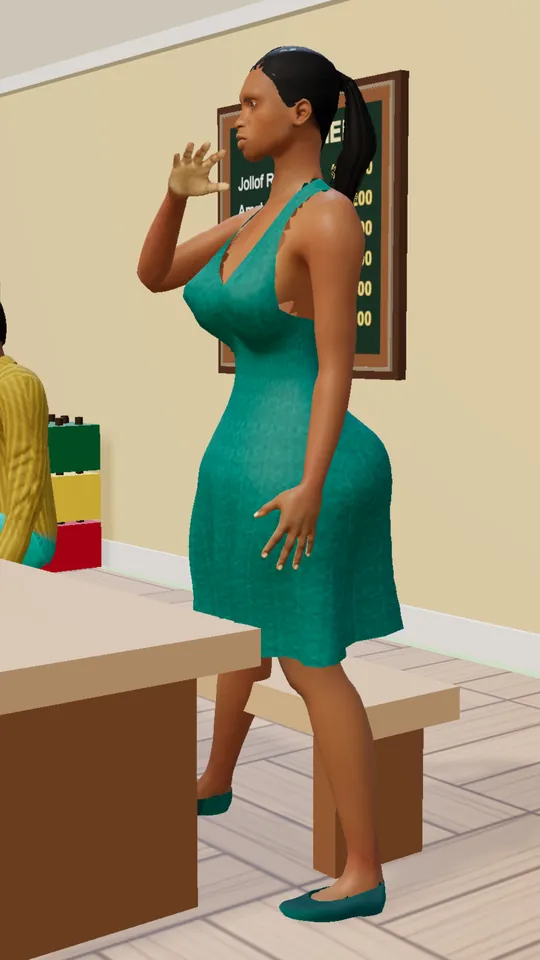
Eating in Lagos is cheap if you eat local and expensive if you don't. The buka or mama put serves amala with ewedu and gbegiri, eba, pounded yam, ofada rice with ayamase, and of course jollof rice. On the street you get suya in the evening, boli (roasted plantain) and groundnut, puff-puff, akara and agege bread in the morning. Weekends mean party jollof at an owambe. Our food guide lists what is on the menu in the game.
Weather
Lagos is hot and humid all year. The rains come mostly from about April to July, ease off in August, and return in September and October. Heavy rain can flood roads on the Island and in Lekki within an hour, which makes the traffic worse. From December to February the dry, dusty harmattan wind arrives, though it is milder by the coast than in the north.
The Lagos lifestyle: owambe, beaches and nightlife
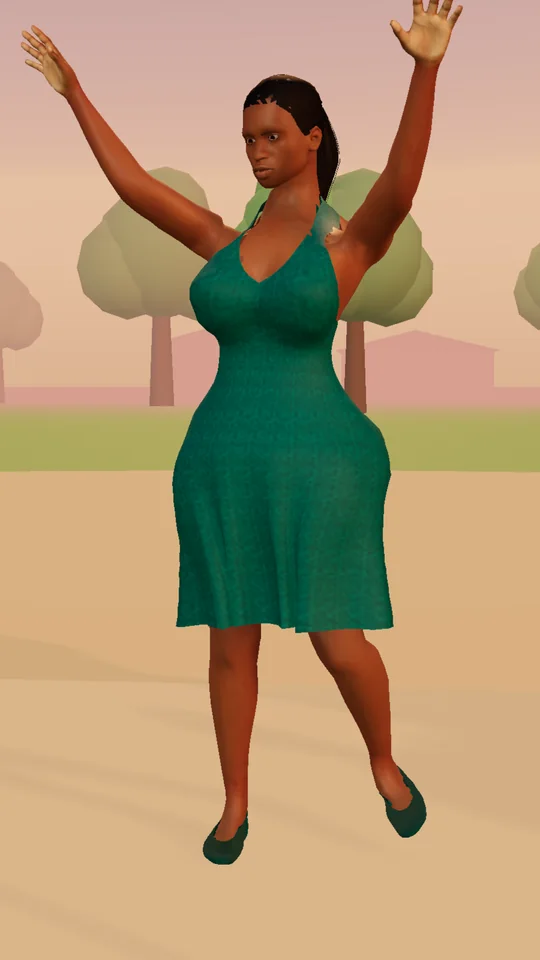
The Lagos lifestyle is work hard, party harder. Saturdays are for owambe: weddings, birthdays and funerals with live bands, aso-ebi (matching fabric) and money sprayed on the dancers. The beaches, such as Elegushi, Tarkwa Bay and Landmark, fill up on Sundays. At night there is the New Afrika Shrine in Ikeja, home of Felabration every October, and the clubs and lounges of Victoria Island and Lekki. December is "Detty December", when the diaspora comes home and the city hardly sleeps. For calmer days there is Freedom Park on Lagos Island, the canopy walkway at the Lekki Conservation Centre and the Nike Art Gallery in Lekki.
Language and people
English is the official language, but on the street you hear Yoruba and Nigerian Pidgin at least as much. Lagos is Yoruba land, yet people from every part of Nigeria and West Africa live here, so most Lagosians switch easily between the three. A few words you will hear daily: abeg (please), wahala (trouble), sharp-sharp (quickly), e go better (it will get better). The slang glossary has many more.
The hard parts of Lagos life, honestly
- Cost of living. Rent, fuel and food prices have climbed sharply in recent years.
- Traffic. Hours a week lost in go-slow is normal.
- Power and water. Many homes rely on generators and boreholes.
- Flooding in the rainy season, in low-lying areas.
- Street smarts. Keep your phone out of sight in traffic, use trusted transport at night, and agree a price before any ride or purchase.
And yet people stay, and more arrive every day, because Lagos rewards hustle like nowhere else in Africa. Eko o ni baje: Lagos will not spoil.
Try Lagos life without moving: Naija Life
Naija Life is a free 3D life simulator that starts in Lagos. You begin in a face-me-I-face-you in Mushin, a self-contain in Yaba or a mini-flat in Lekki Phase 1, and work your way up to Victoria Island, Ikoyi and Banana Island. Along the way you will:
- ride danfo, keke and okada through the city (how they compare),
- pay your rent every Saturday, or save up and buy your home,
- pick a career from Yaba tech to banking, music and trading (careers guide),
- haggle at Balogun, dance at the Shrine and Quilox, and relax on Elegushi Beach,
- survive NEPA taking light, and vote for governor and president with real players.
See the Lagos life game for everything you can do. Thousands of players across Nigeria and the diaspora already live there. If you are curious about Lagos, homesick for it, or planning to move, it is the cheapest way to try life in Lagos for a week.
Questions people ask
What is life like in Lagos, Nigeria?
Busy, loud and full of opportunity. Most people hustle at more than one job, lose hours to traffic, deal with power cuts, and still find time for owambe parties, beaches and nightlife at the weekend.
What is Lagos life like at the weekend?
Fast and social: long working days and side hustles in the week, then owambe parties, aso-ebi, live music, beaches and nightlife at the weekend, with Detty December as the high point of the year.
Is Lagos expensive to live in?
It depends on the area. The Island (Ikoyi, Victoria Island, Lekki) is among the most expensive places in Africa, while Mainland areas such as Yaba, Surulere and Ikorodu are much cheaper. Landlords usually ask for a year of rent upfront plus fees.
What are the best areas to live in Lagos?
For comfort and cost: Ikoyi, Victoria Island and Lekki on the Island; Yaba, Surulere, Gbagada, Magodo and Ikeja on the Mainland. The best choice is usually the area closest to where you work, because of traffic.
How do people get around in Lagos?
By danfo (yellow minibus), BRT bus, keke, okada where allowed, the Blue and Red rail lines, ferries, ride-hailing apps and private cars.
Is Lagos the capital of Nigeria?
No. Abuja has been the capital since 1991. Lagos is the largest city and the commercial capital, and Ikeja is the capital of Lagos State.
Can I experience Lagos life in a game?
Yes. Naija Life is a free 3D life simulator that starts in Lagos, with real areas like Mushin, Yaba, Lekki and Ikoyi, danfo rides, NEPA cuts, owambe and other players. Play it in the browser, on Android or on iPhone.